
Drywall installation in Logan, Utah & Cache Valley
Precise drywall installation, patching and repair for homes and businesses in Logan, Utah and across the valley, finished smooth and ready for texture and paint.
Licensed & insured
Residential & commercial
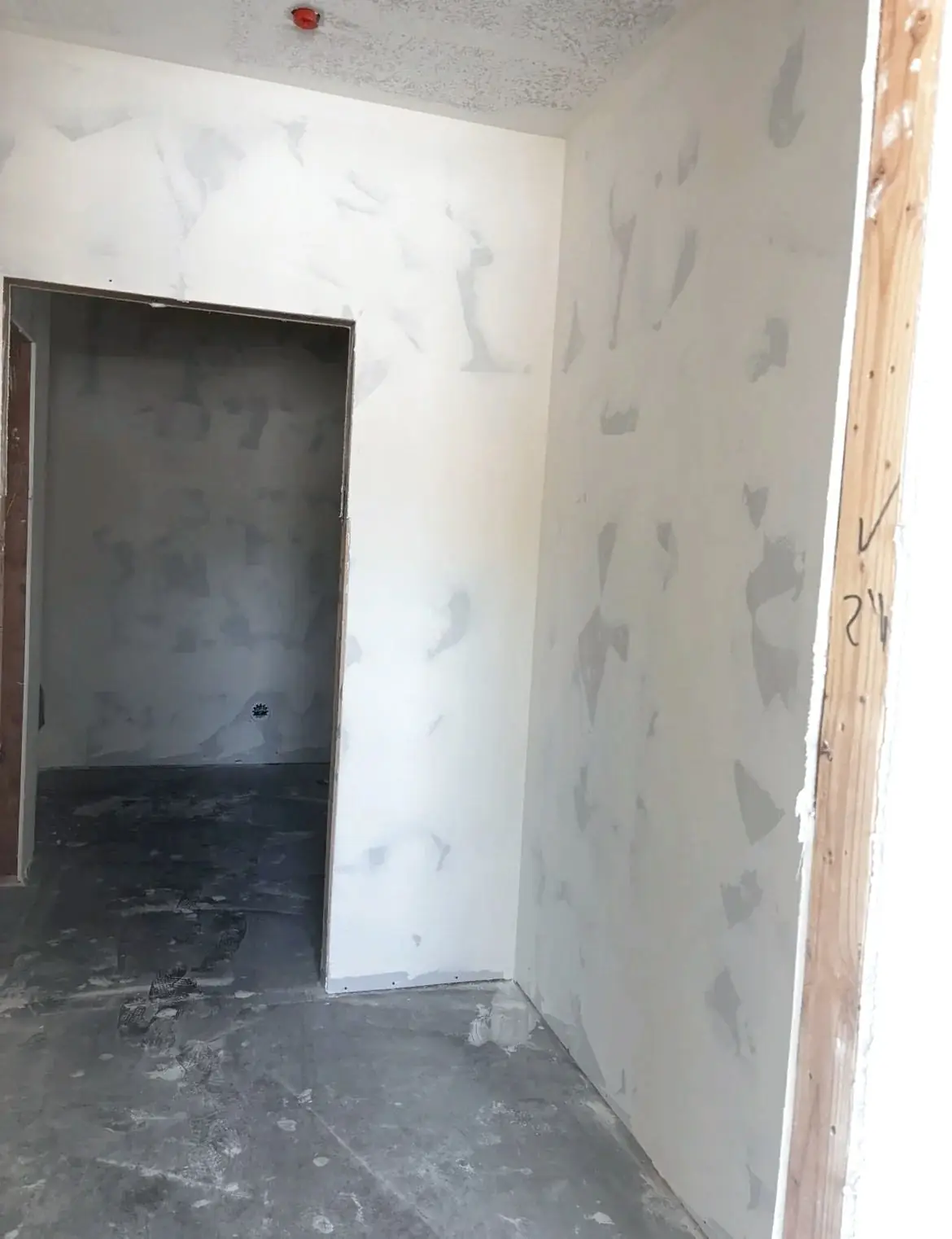
Walls that start straight and finish smooth
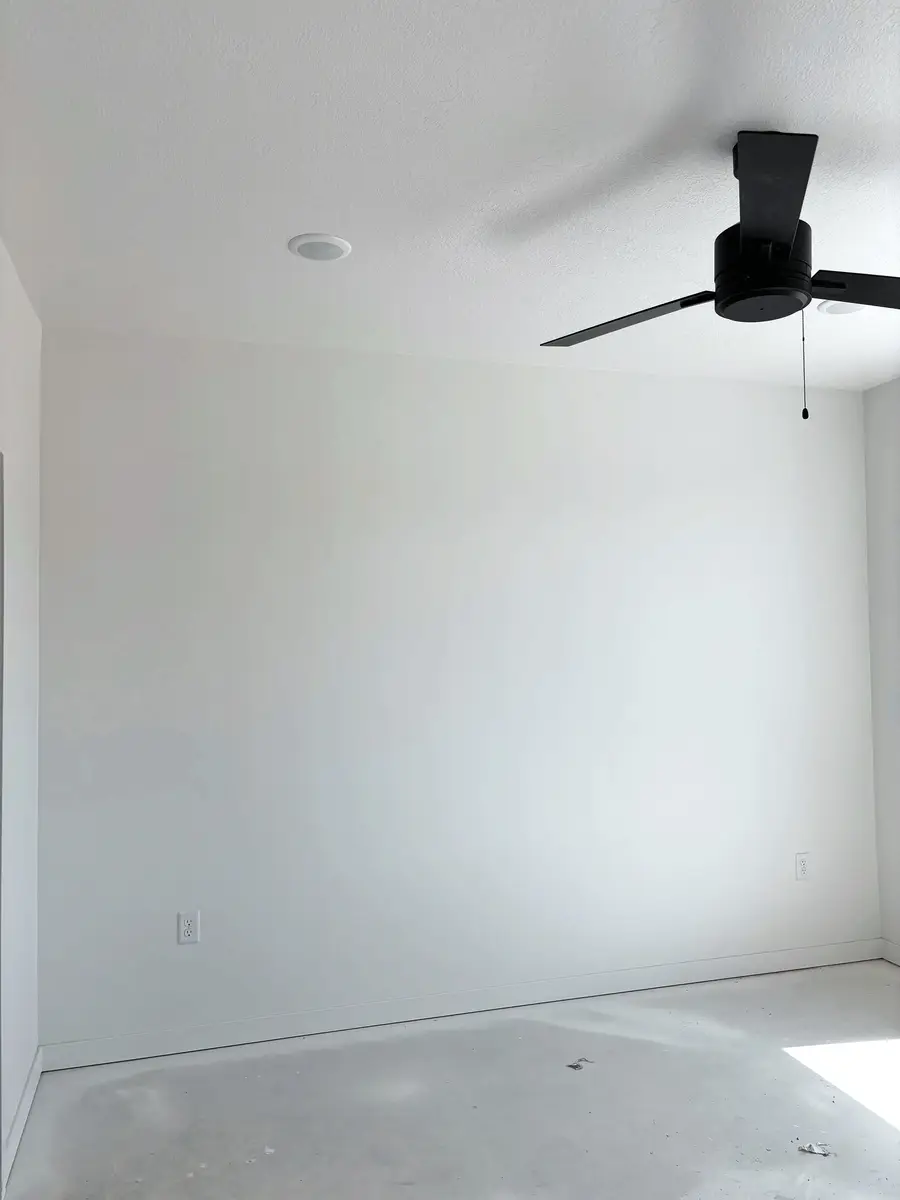
Good drywall is the foundation of a great-looking room. We hang each sheet tight and square, keep seams to a minimum, and prep every surface so your texture and paint go on flawless.
Whether you're finishing a basement, building new, or need a damaged wall made right, send a photo and the room size and we will tell you what the job takes.
New construction & remodels Repairs & patches, big or small Clean, dust-conscious work Free, no-obligation estimates
Drywall services we offer
From a single room to a full build, here's how we help homeowners and builders across Logan and the Cache Valley.
New drywall hanging
Tight, square installation for new walls and rooms, sized and cut to fit.
Ceilings
Flat, even ceilings hung and prepped for a smooth or textured finish.
Basements & garages
Turn unfinished space into clean, finished rooms ready to use.
Patch & repair
Holes, cracks and dings made to disappear into the surrounding wall.
Water damage repair
Cut out, replace and refinish drywall damaged by leaks or moisture.
Commercial & tenant work
Offices, retail and tenant improvements built clean and on schedule.
Who calls us for drywall
Most of our drywall calls come from a few situations. A family in Logan, North Logan or Smithfield has an unfinished basement and wants a bedroom and a family room down there. A homeowner opened a wall to move a doorway or take out a closet, and now there is a gap where the wall used to be. A builder has a house framed and inspected and needs the board hung and finished by a date. A business owner leasing a space needs new walls put up before the next tenant moves in.
The work is the same careful work each time, but the questions are different. The basement family asks about cold concrete and moisture. The remodel asks if we can match the old wall. The builder asks about the schedule. Tell us which one sounds like you when you call or text, and we will plan around it.
How a hang goes, from the first sheet to the last screw
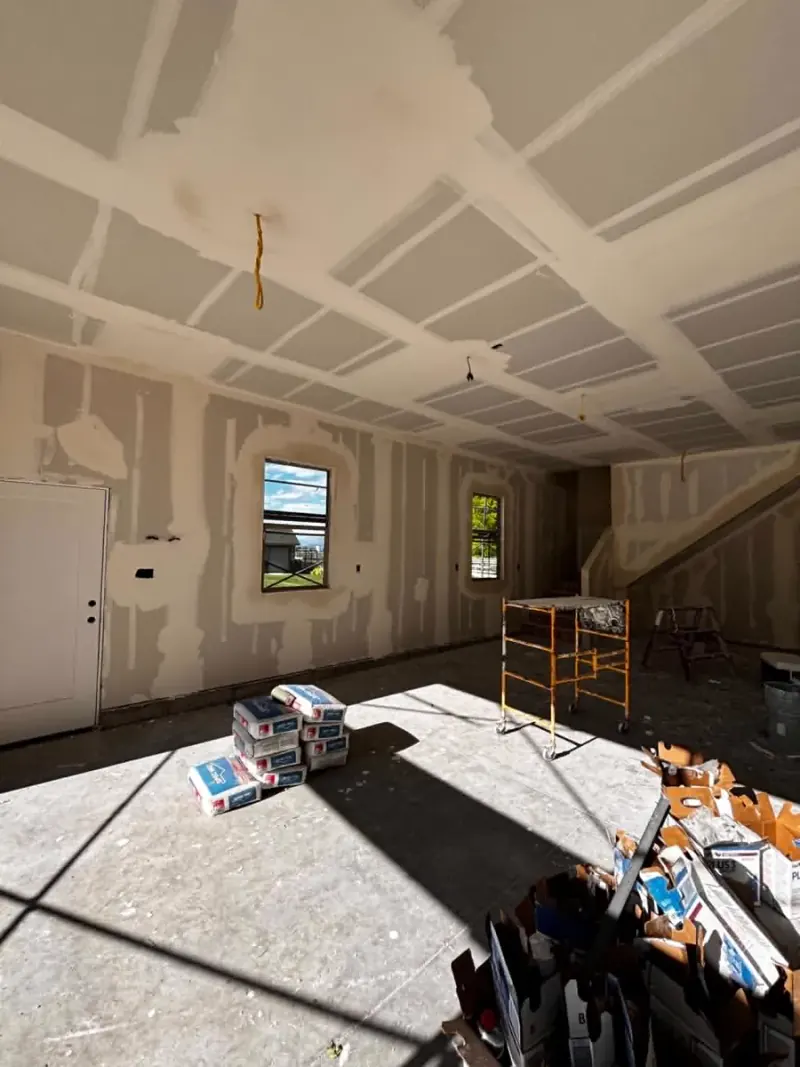
We hang the ceiling first and the walls second, so the wall sheets hold the ceiling edges tight. Sheets run across the studs with the seams staggered, so there is never one long crack line running up a wall. Every screw is sunk just under the paper without breaking it. A screw that tears the paper holds poorly and shows up later as a bump.
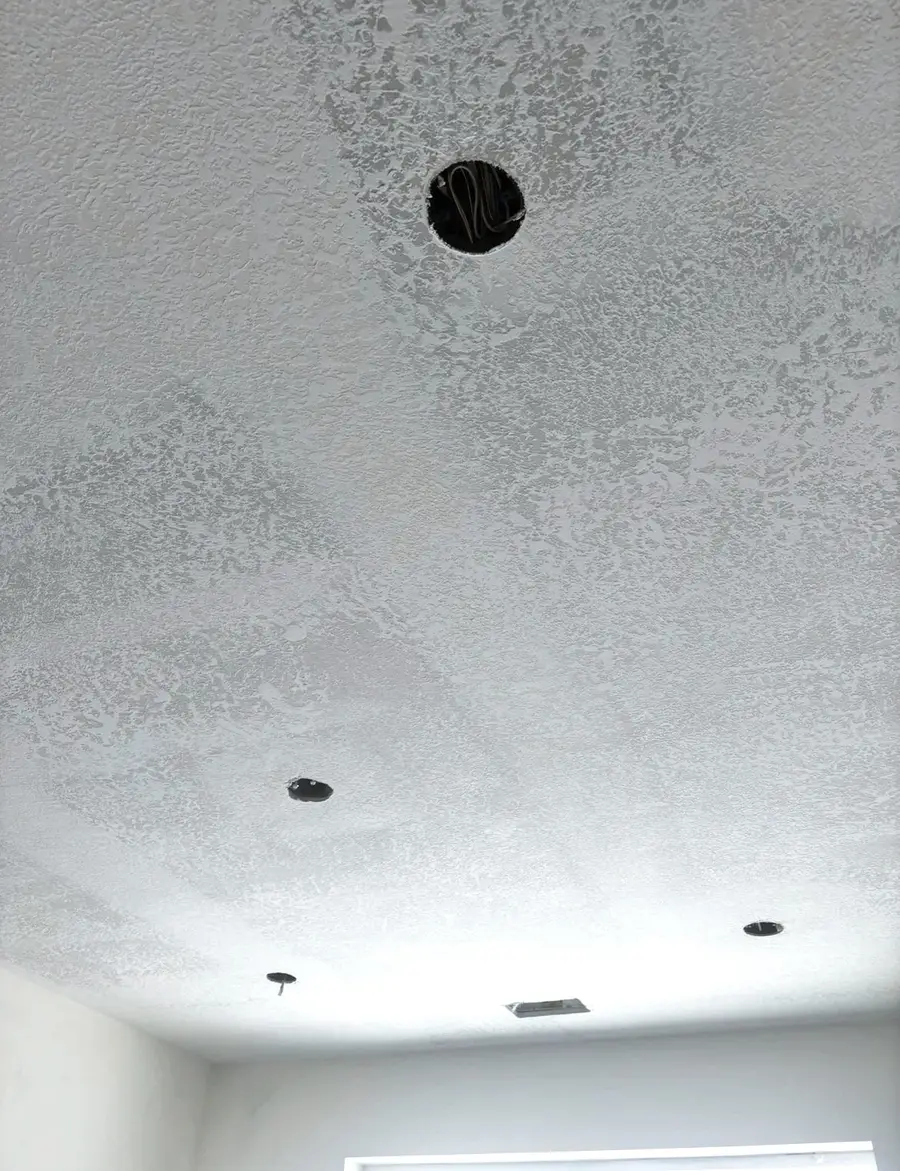
Before we cut a sheet we measure for outlets, switches, vents and recessed lights, so the openings land where the fixtures go and leave no gaps for mud to hide. Around windows and doors we cut one L-shaped sheet instead of putting a seam at the corner of the opening, because corners are where cracks start.
We use the longest sheets that fit the room. Fewer seams means less taping, less sanding and a flatter wall when the paint goes on.
Which board goes where
Most walls get half-inch board. Ceilings often get five-eighths-inch board, because the thicker sheet sags less between the joists over the years. Bathrooms and laundry rooms use moisture-resistant board on the walls outside the tub or shower. Behind tile in a tub or shower, plain drywall is the wrong material. Building code asks for a cement, fiber-cement or glass-mat backer there, and we hang what the code asks for.
Where a garage meets the house, your city inspector sets the rule. It is often five-eighths-inch fire-rated board on the shared wall and on any ceiling under living space. Ask your building department, or tell us the room and we will tell you what we expect them to want. Board for these spots costs more and weighs more, and that shows up in the estimate.
Finishing a basement: cold concrete, moisture and soffits
Basement drywall goes on framed walls in front of the concrete, and the board stops a little above the slab, so a damp floor cannot wick water up into the paper. Before any board goes up we look for the signs of a wet basement: stains low on the wall, white powder on the concrete, a musty smell, and a floor drain that backs up. In a wet spring, many Cache Valley basements show a damp spot or two. Tell us if yours has, because drywall over a moisture problem grows mold, and the fix has to come first.
Basement ceilings are crowded with ducts, pipes and beams, and the usual answer is a soffit, a boxed-in channel that the board wraps around. Soffits take planning, because every one of them comes down from the ceiling height you have. Walk the space with us before the framing is built, and we can point out where a soffit will land and whether a different route for the duct would save you headroom. The framing page covers the walls themselves.
Cold weather and drywall in Cache Valley
Winter changes drywall work here. Joint compound dries by evaporation, and in a cold house it can sit wet for days. The heat should be on before the mud goes up and stay on until it is dry. If your furnace is not running yet, tell us on the first call, because it changes the schedule.
New framing also dries out during its first winter. Lumber shrinks a little as the heated house dries, and a screw can push a small bump up through the finish. It is normal, and it is a small fix with a screw and a dab of mud. If your house is less than a year old and a few bumps have shown up, call us and we will put them on the list.
The dry summer air has its own problem. In July the mud can skin over before it is smoothed, so the work goes better with the windows closed on a hot afternoon.
Ceilings and tall walls
Ceilings are the hardest part of a drywall job. The sheets are heavy, and a ceiling shows every dip when the light comes from a window across the room. We hang ceiling sheets tight to the framing and check them with a straightedge before we tape.
Vaulted ceilings and tall stairwell walls need scaffolding and more time, which is why a room with a high ceiling costs more per square foot than a standard bedroom. Ceiling height is one of the first things we ask about. If the ceilings in an older house are popcorn, see our popcorn ceiling removal page.
One more thing about ceilings in this climate. In a house with roof trusses, the ceiling can lift a little at the wall edges during a deep freeze and open a thin crack along the corner. The board is fine. The trusses are moving with the cold, and the crack often closes again in spring. If you see one, take a photo and tell us the date, and we can say if it is that or something else.
Drywall, then tape and mud, then texture and paint
Most customers want one crew from the first sheet to the last coat. After the hang we tape the seams, put on several thin coats of mud and sand between them, then prime or texture. Our mud, tape and texture page shows the finishes, and the painting page covers the walls after that.
If the wall you need fixed is already up, with a hole, a crack or a water stain, go to drywall repair. If the walls do not exist yet, framing comes first.
What changes the price of drywall
Square footage comes first. After that: ceiling height, the number of windows, doors, corners and cutouts, how hard it is to carry sheets to the room, and the level of finish you want. A basement down a narrow stair costs more per sheet than a main-floor bedroom. New work is quicker than a remodel, where we also have to tie into old walls.
Texture and paint are separate from the hang and finish, so tell us if you want those too. We give free, no-obligation estimates, and a few photos and the room sizes get you a first number faster.
What we need from you before we start
- Power and heat in the space, so the mud can dry.
- A clear room, or at least a clear path to every wall.
- Electrical, plumbing and insulation finished and, where your city requires it, inspected. Drywall goes over those, so they have to be done first.
- Any moisture problem fixed first, especially in a basement. Board hung over a damp concrete wall grows mold.
If you are not sure whether the room is ready, send a photo. It takes less time than guessing.
Dust, noise and clean-up
Hanging board is loud for a day or two, and sanding makes fine dust. We keep the dust to the work area, and when we finish a visit we clean up, so you are not living in a mess between coats. If you work from home or have a baby napping, tell us the hours that matter and we will plan around them.
Where we work
We work in Logan and across Cache Valley, in towns such as North Logan, Hyde Park, Smithfield, Providence, Millville, Nibley and Hyrum. If your town is not on that list, call or text and ask. We will tell you if it is too far for us.
Tell us about your drywall job
Free, no-obligation estimates across Logan & Cache Valley.
Drywall questions, answered
How much does drywall cost in Logan, UT?
We do not post a flat price, because the price moves with the job. Square footage, ceiling height, the level of finish and whether it is new work or a repair all change it. We give free, no-obligation estimates. Call or text (435) 557-2823 for a clear quote.
How long does it take to hang and finish a room?
It depends on the size of the room. The hanging goes fast. Most of the time goes to drying between coats of mud. We give you a schedule with the estimate once we have seen the space.
Do you do small repairs too?
Yes. A single patched hole or a water-damaged ceiling is fine. See our drywall repair page for how those jobs go.
Do you work on homes and commercial spaces?
Both: homes, basements, garages, additions, tenant improvements and new commercial builds throughout Logan and Cache Valley.
Can I stay in the house while you work?
In most cases, yes. Sanding makes fine dust, so we keep it to the work area and clean up when we leave. Tell us if anyone in the house has asthma or allergies and we will plan around it.
Do I need fire-rated drywall in my garage?
Often, yes, on the wall and ceiling shared with the house. Your city decides the exact rule, so ask your building department, or tell us the layout and we will say what we expect.
What do I do if a basement wall feels damp?
Find and fix the moisture before any board goes up. Drywall over a damp wall grows mold. Call us, and we will tell you what we see and what to line up first.
Are you licensed and insured?
Yes. Toro R Services LLC is licensed and insured, locally owned and family-run.
Need drywall in Logan or Cache Valley?
Tell us about your project and we'll get right back to you with a clear, honest quote.