Painters in Logan, UT: interior and exterior painting
Clean lines, even coats and careful prep from Logan painters for walls, ceilings, trim and cabinets, inside and out.
Licensed & insured
Residential & commercial
A clean coat that makes the whole room feel new
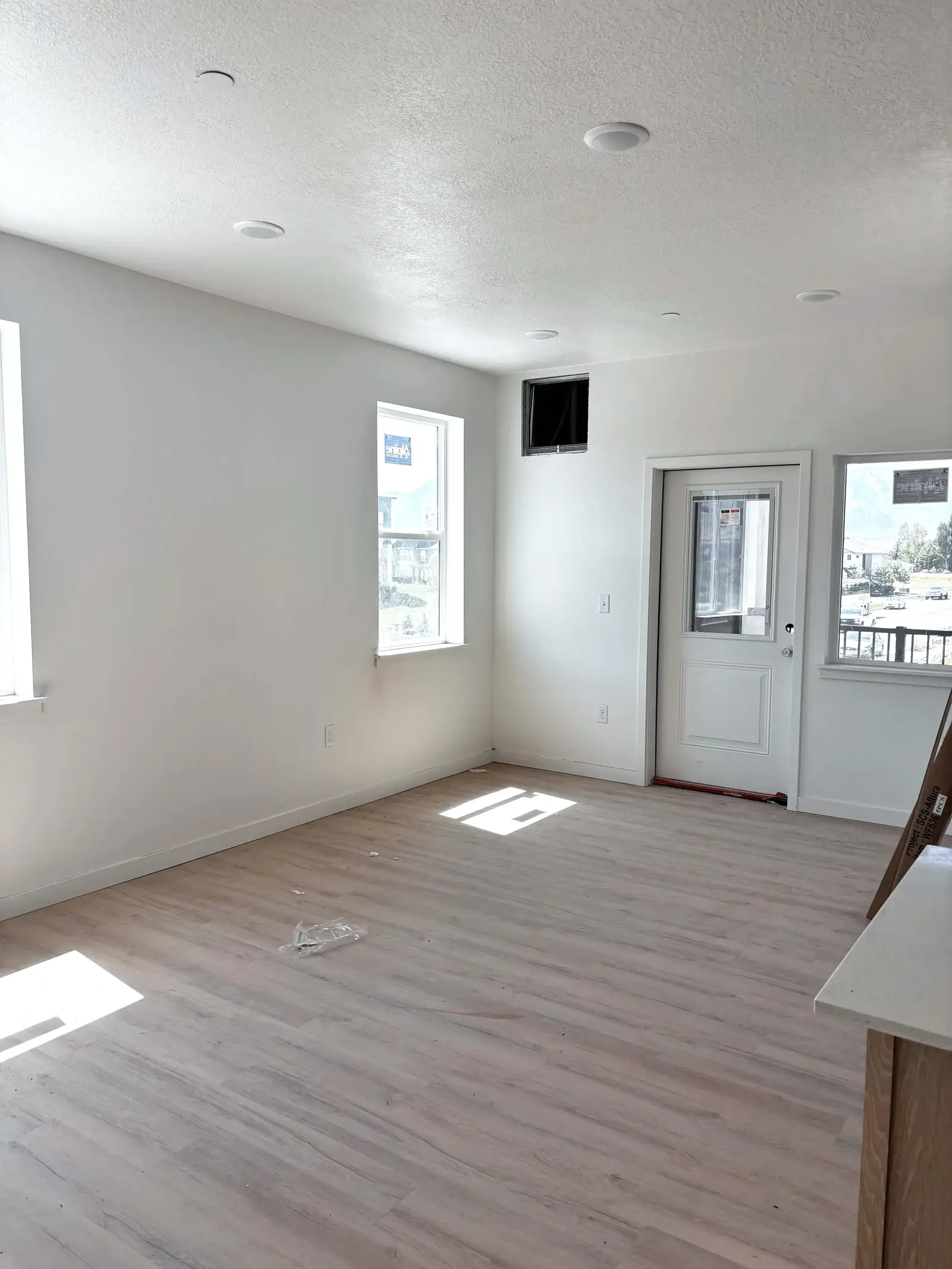
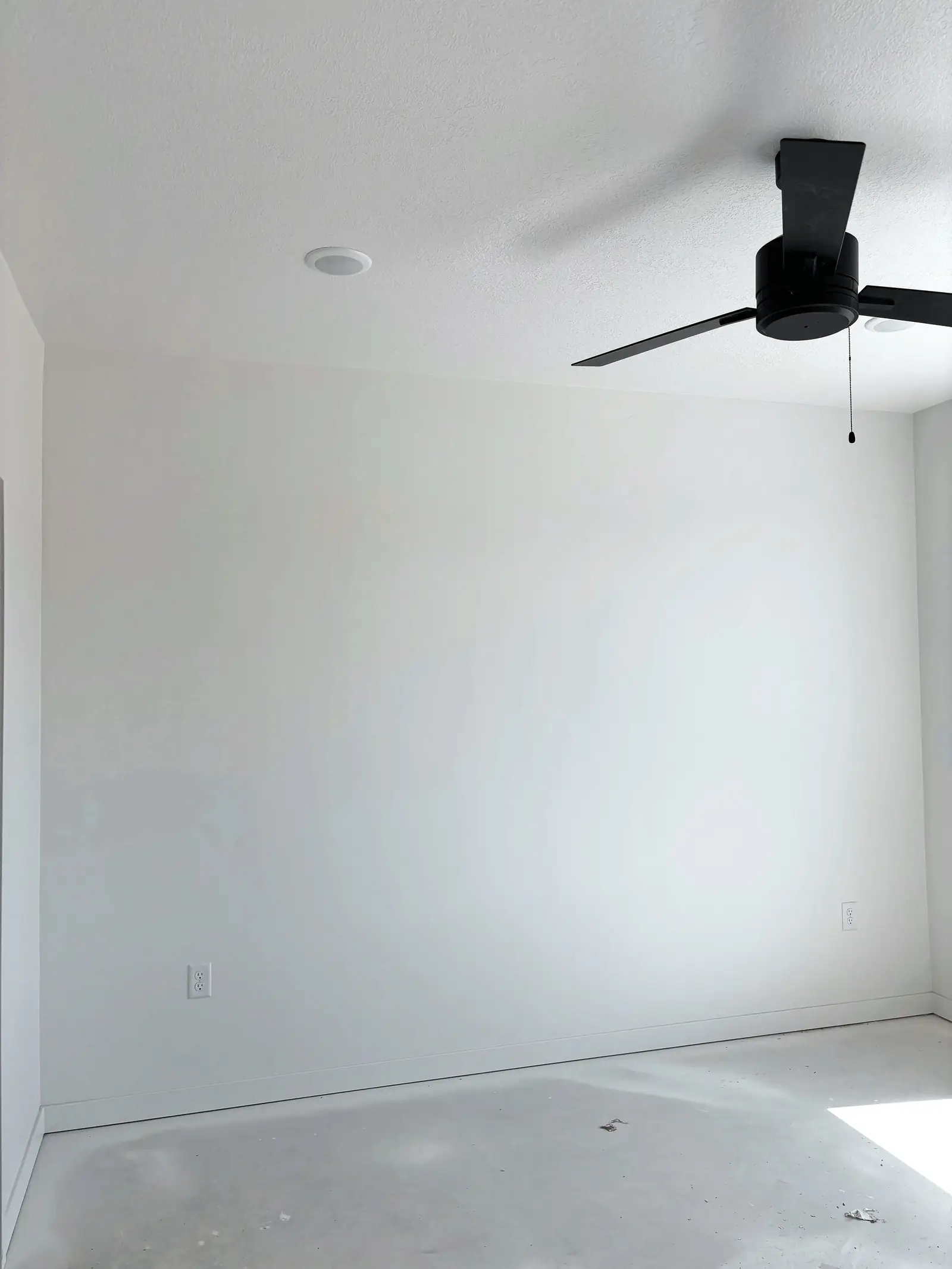
Great paint work is mostly prep. We patch, sand, mask and prime before the first finish coat, then roll and cut in clean, even color that lasts, with sharp lines where walls meet trim and ceilings.
We handle all kinds of painting: interior, exterior and more. From a single accent wall to a full repaint inside and out, send photos of the rooms and we will tell you what the prep and the paint will take.
Interior & exterior Walls, ceilings, trim & cabinets Careful prep & clean lines Free, no-obligation estimates
Painting services we offer
From one room to the whole exterior, here's how we help homeowners and builders across Logan and the Cache Valley.
Interior painting
Walls and rooms repainted clean, even and crisp.
Exterior painting
Siding, trim and more, prepped to hold up to Cache Valley weather.
Cabinets & trim
Smooth, durable finishes on cabinets, doors and trim.
Ceilings
Fresh, even ceiling coats with no roller marks or spatter.
Prep, patch & prime
Patching, sanding, caulking and priming for a finish that lasts.
Color consultation
Not sure on color? We'll help you land on the right one.
Who calls us for painting
A family has new drywall that was just textured and needs the first coat. Someone is getting ready to sell a house in Logan and wants fresh, neutral walls. A homeowner had a leak repaired and the patch needs paint that blends in. A landlord needs a unit turned over between tenants. Someone is tired of kitchen cabinets that look worn and dated.
The first call is mostly about what is on the walls now and what you want them to be. Photos help. So does the age of the house and the name of the current paint, if you remember it.
Prep is most of the job
The paint you see is the last hour of a long job. Before it goes on we fill nail holes and dents, sand them flat, caulk the gaps along trim, wash greasy spots and mask everything we do not want painted. Bare patches get spot-primed so they do not show through as dull squares.
Water stains and smoke need a stain-blocking primer. Regular paint over a ceiling stain looks fine for a day and then the brown comes back through. If the stain is from a leak, the leak has to be fixed first. Our drywall repair page explains what to do about wet ceilings.
Walls, ceilings and trim
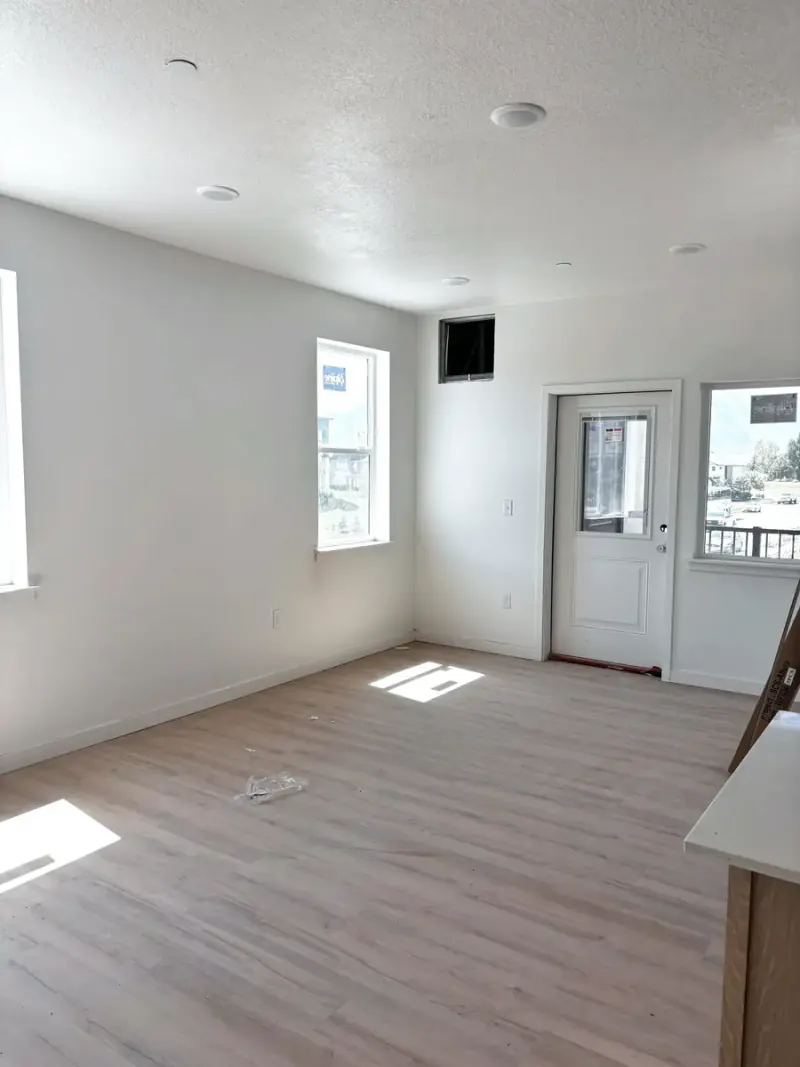
We paint the ceiling first, then the walls, then the trim, so drips fall on surfaces that are still to be painted. Edges are cut in by hand for a straight line where wall meets ceiling. Most rooms get two coats. A big color change, such as dark red to white, can take more. A popcorn ceiling is scraped and refinished before it is painted, and our popcorn ceiling removal page explains how.
Sheen matters. Ceilings usually get flat paint, which hides roller marks. Walls in living areas look best in eggshell or satin. Kitchens, bathrooms and trim hold up better in semi-gloss. We will tell you what we would pick for each room.
Paint, sheen and where each one goes
Paint has two jobs, color and wear, and the sheen decides the wear. Flat paint hides roller marks and bumps, which is why it goes on ceilings, but it marks when you rub it. Eggshell and satin wipe clean better and suit hallways, family rooms and bedrooms. Semi-gloss is the hardest and shows the most flaws, so it goes on trim, doors, and the walls of kitchens and baths, where steam and splashes happen.
Quality matters more than most people think. A cheap paint can need three coats to cover where a good one needs two, and it wears faster. Tell us if you have a brand in mind. If you do not, we will tell you what we would use for each room. Dark colors and strong color changes need a tinted primer first, so the finish coats cover without streaks.
Cabinets and doors
A cabinet finish has to survive hands, steam and grease. We take the doors off, clean and sand everything, prime and use a durable enamel. That takes several days because each coat has to cure. The kitchen is usable again when the doors go back on, and it needs a few more days of gentle use before the finish is fully hard.
Exterior painting in Cache Valley
Exterior work in this valley has a short season. Paint needs dry days and mild nights to cure, so the window runs from late spring to early fall. The summer sun at this elevation fades paint on south and west walls first, which is where the prep matters most: scraping loose paint, sanding, priming bare wood and caulking gaps where water gets in.
Cold, sun and dry air
Weather decides when paint can go on, and Cache Valley has plenty of it. Most latex paint needs air and surfaces above about 50 degrees to cure, and the label says so. In January, that means a heated house for interior work and no outdoor painting at all. Inside, keep the furnace running through the job and for a day or two after, because paint that gets cold while it dries can look streaky and soft.
Outside, the sun at this elevation is strong, and it breaks paint down on the south and west walls first. A wall that is shaded for most of the day holds paint much longer. The dry summer air has its own problem: paint in full sun can dry before it levels out, so we start on the shaded side and follow the shade around the house. Boards and trim that stay wet after a rain or a sprinkler need time to dry out first, because paint over damp wood peels.
Houses built before 1978
Paint made before 1978 can contain lead. If your house is older than that, tell us when you call. Sanding or scraping old layers can put lead dust in the air, and federal rules cover work that disturbs it. Keep children and pregnant women out of the work area, and do not dry-sand old paint yourself. A test kit from a hardware store gives a first answer, and a lab gives a better one. We will talk through what that means for the job before any sanding starts.
Picking a color
Colors look different on the wall than on a card. We can help you narrow it down, and a sample patch on the wall, looked at in morning and evening light, tells you more than any chip. Light colors bounce more light into a basement or a north-facing room, and warm whites feel better where there is little daylight.
What a painting job looks like day to day
On the first morning we cover floors, move and cover furniture, take off switch plates and mask the trim. Then comes patching and sanding, spot-priming, and paint. Wet paint has a smell, so we open windows when it is warm enough and ask you to keep pets and kids out of the room while it dries. Most rooms are ready for furniture the next day.
Fresh paint stays soft for a couple of weeks, even after it feels dry. Wait before you scrub a wall or hang heavy pictures, and use a damp cloth with no scrubbing if something spills.
What changes the price
Square footage of wall and ceiling comes first. After that: ceiling height, how much patching and sanding the walls need, how many coats a color change takes, and whether trim, doors and cabinets are included. A bare, new wall is quicker than a wall with years of nail holes. We give free, no-obligation estimates, and photos make the first number more accurate.
Painting with the rest of the job
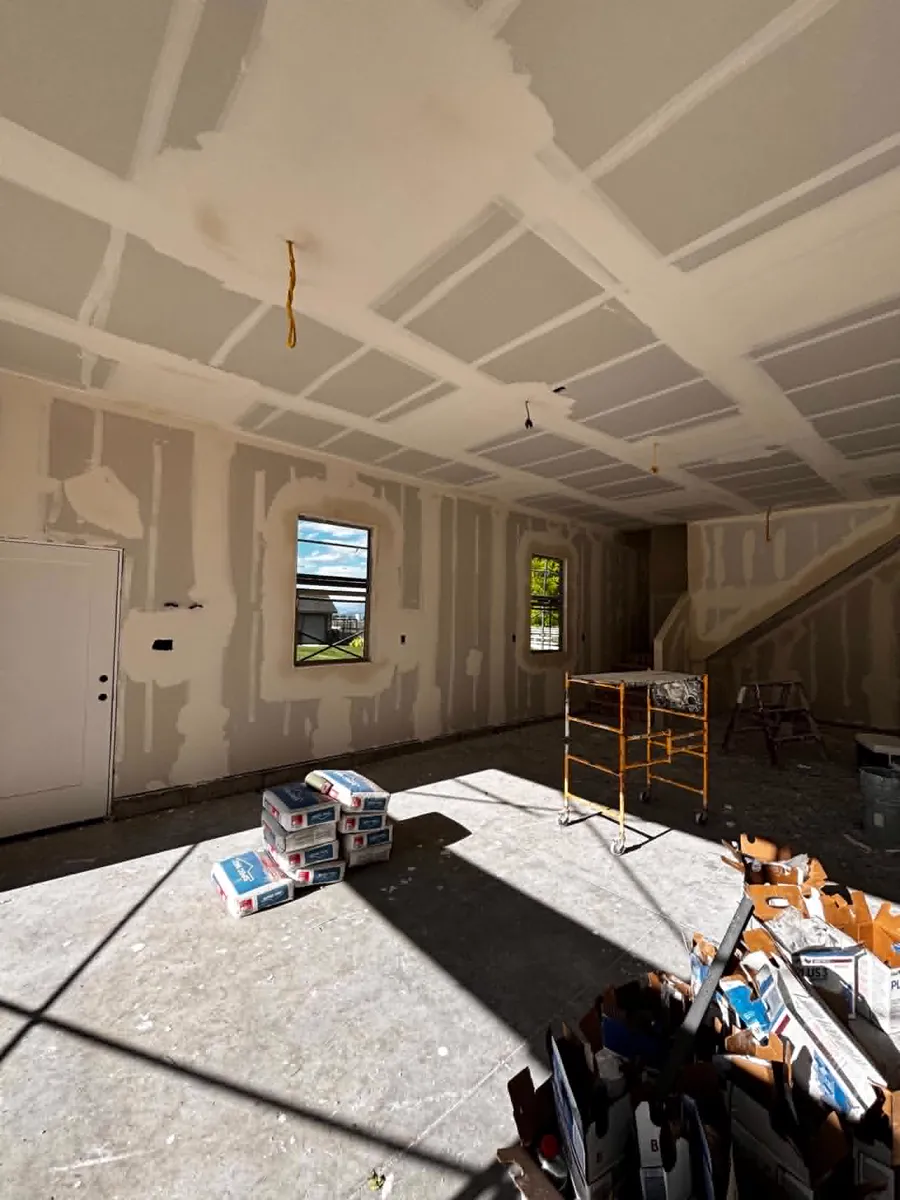
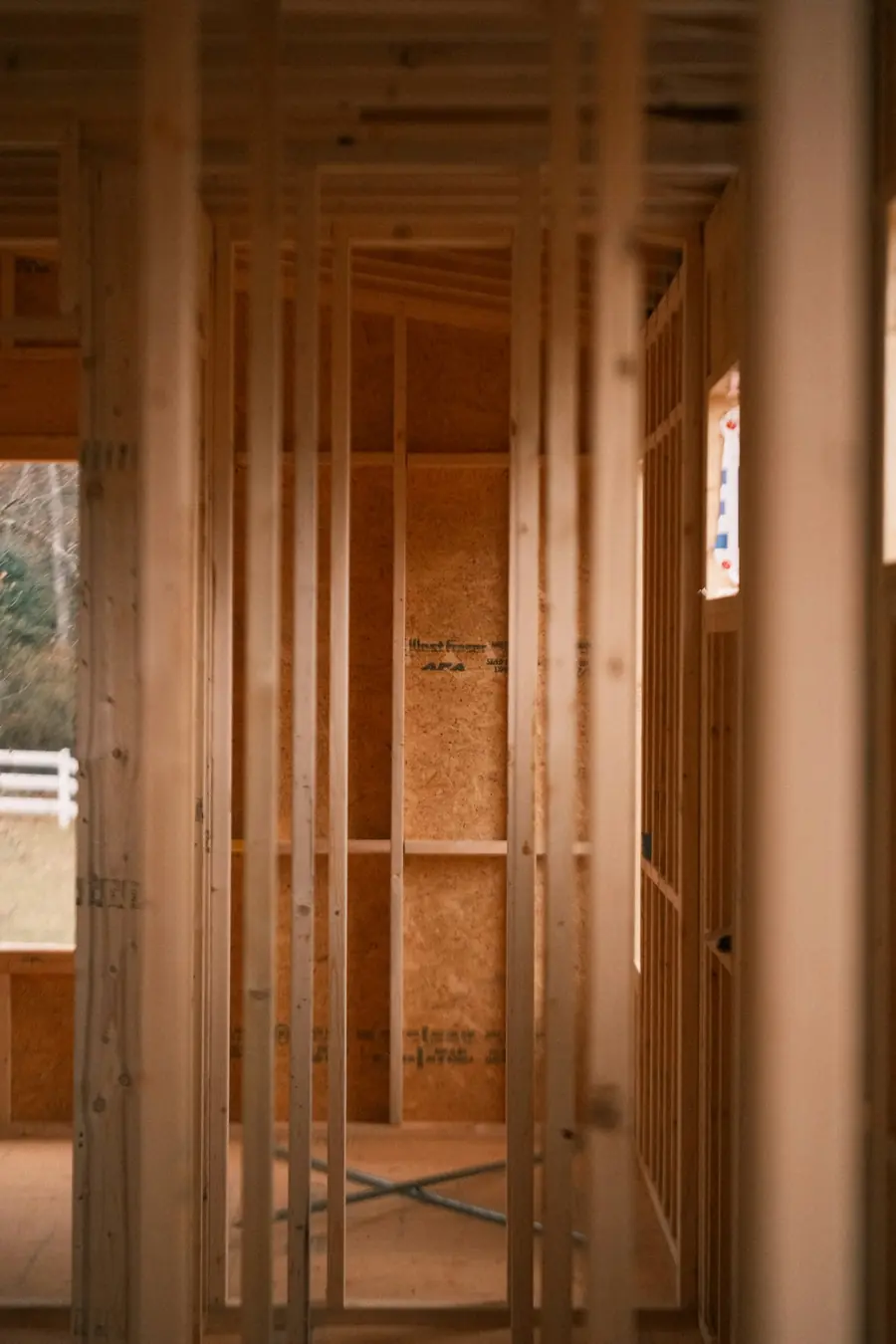
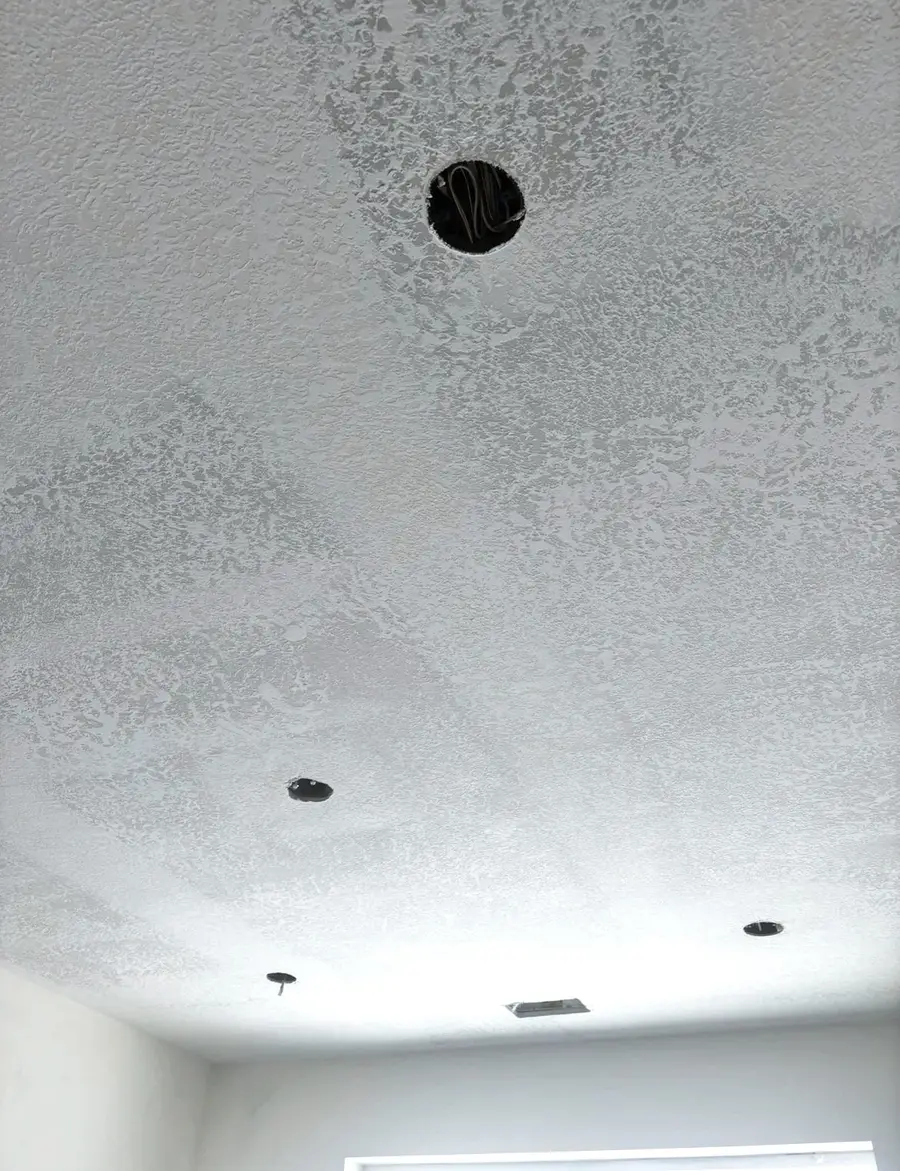
If your walls are new, framing and drywall installation come first, then drywall texture, and then us. If they were damaged, drywall repair comes first. We can plan all of it in one schedule so the painters are not waiting on someone else, and so a patch is primed, textured and painted in the right order. A patch that gets paint before it has dried shows through the finish as a dull square.
What we need from you before we start
- Colors chosen, or a short list we can narrow down together.
- Walls cleared of pictures, shelves and anything fragile.
- A note on what to paint and what to leave, such as the garage, a closet or a ceiling you want skipped.
- Any leak fixed and any new drywall fully dry and primed.
Where we work
We work in Logan and across Cache Valley, in towns such as North Logan, Hyde Park, Smithfield, Providence, Millville, Nibley and Hyrum. If your town is not on that list, call or text and ask. We will tell you if it is too far for us.
Tell us about your painting job
Free, no-obligation estimates across Logan & Cache Valley.
Painting questions, answered
How much does painting cost in Logan, UT?
It depends on the size of the rooms, ceiling height, how much prep the walls need and whether we are painting trim, cabinets or ceilings too. We give free, no-obligation estimates. Call or text (435) 557-2823.
Do you paint the ceiling?
Yes. Ceilings are painted first, with flat paint so roller marks do not show.
Do you do cabinets and trim?
Yes. We take doors off, clean, sand, prime and use a durable enamel. It takes several days.
Do you paint exteriors?
Yes. The season runs from late spring to early fall, so call early.
Do I have to move my furniture?
We can move and cover furniture in the room. Clear small items, pictures and anything breakable first.
How many coats will my room need?
Most rooms get two coats. A big color change, such as dark red to white, can take more, and a tinted primer first helps. We say so in the estimate.
How long before I can wash the walls?
Wait a couple of weeks. Fresh paint feels dry long before it is hard. Until then, use a damp cloth and no scrubbing.
Are you licensed and insured?
Yes. Toro R Services LLC is licensed and insured, locally owned and family-run.
Work that goes with painting
Need painting in Logan or Cache Valley?
Tell us about your project and we'll get right back to you with a clear, honest quote.